Add to Cart
Overview
Risk has four elements:
- A hazard;
- The consequences of that hazard should it occur (safety, environmental and economic);
- The likelihood of occurrence of the hazard; and
- Safeguards that reduce consequences and/or likelihood.
The relationship between the first of the above three terms is shown in the following Equation.
RiskHazard = Consequence * Predicted Frequency
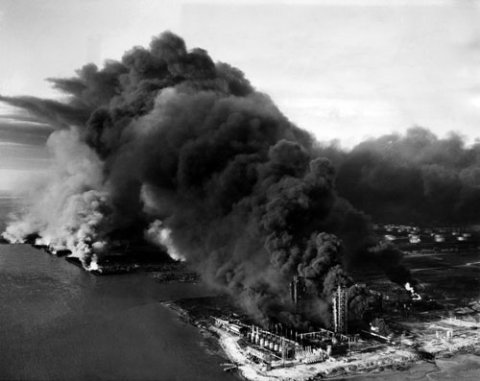
This ebook discusses the consequence term, including fires, explosions and toxic gas releases.
The topics of consequence and likelihood analysis are fraught with issues that bring into question the accuracy and usefulness of the results because so many assumptions have to be made, and because the analysts’ opinions (many of which are implicit) play such an important role. For example, many fires and toxic gas releases start with a leak from a piping system. Yet the size of the leak could vary from a pinhole, to a partially failed gasket all the way to a complete guillotine break of the pipe. Clearly the assumption made about leak size is going to strongly affect all discussions to do with the consequences and likelihood of that leak.
The subjectivity that is implicit in analysts’ opinions is very difficult to recognize. For example it is likely that anyone who has suffered from H2S exposure would treat a release of that gas as being very significant, regardless of what the calculations say. Similarly, people will often give a higher probability of occurrence to events that have already occurred once than to events that have never occurred.
Table of Contents
Introduction
Range of Consequences
Safety
Health
Environmental
Economic
Effect of a Release
Hole Size
Fires
Flammable Range
Ignition Temperature / Energy
Spontaneous Combustion
Ignition Sources
Vacuum Trucks
Radiant Heat
Static Electricity
Lightning
Pyrophorics / Iron Sulfide
Flammability Hazard Ranking
Passive Fire Protection / Fireproofing
Explosions
Physical Explosions
Vapor Cloud Explosions
Deflagrations and Detonations
Blast Effects
BLEVEs
Dust Explosions
Toxic Gas Releases
Gas Release Modeling
Effect of Toxic Gases
Probit Equations
Short-Term Exposure Limits
Emergency Response Planning Guidelines (ERPGs)
Immediately Dangerous to Life and Health
Permissible Exposure Limits (PEL)
Threshold Limit Values (TLV)
Short Term Exposure Limit (STEL)
Levels of Concern (EPA)
Acutely Toxic Concentration / Levels (New Jersey / Delaware)
Substance Hazards Index
Location of Monitors
