The content of this blog is taken from the post Transition Steps and the ebook Net Zero: An Opportunity.

Green Hydrogen
One of the decisions that companies will have to make as they move toward Net Zero is whether to invest in transition technology, i.e., technology that moves the organization partway toward the final goal in two or more steps.
The development of hydrogen manufacturing technology is an example of the perceived need for transition steps. Hydrogen gas is a replacement for fossil fuels. It has a high heat of combustion, it does not create greenhouse gases when burned, and its molecule can be used a chemical building block. It therefore makes sense for oil companies to develop a hydrogen business — they already possess many of the technical and human resources that would be required. The catch is that currently almost all hydrogen is produced by reacting natural gas/methane (CH4) with steam. The process creates not only hydrogen but also carbon dioxide, CO2. Hydrogen produces this way is known as “brown” hydrogen. (Hydrogen gas is colorless — the color labels are added as a convenience.)
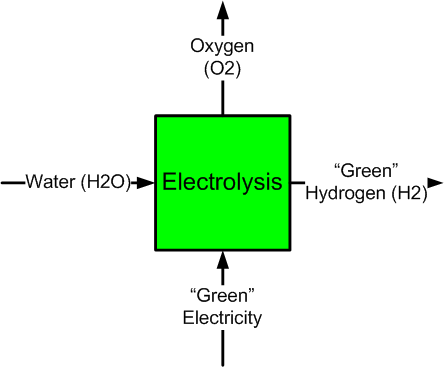
“Green” hydrogen can be produced directly from water using electrolysis. However, this process is much more expensive to operate than the current system, nor is there an existing infrastructure. Consequently, many oil companies have elected to take a transition step by continuing to produce hydrogen in the conventional manner, but they add a carbon capture and sequestration facility to capture the CO2 that is created. This allows them, to use their existing natural gas infrastructure; nor do they have to abandon the methane reserves that they own, thereby avoiding the problem of stranded assets. The hydrogen produced in this manner is called “blue” hydrogen.
So, the management of these companies have a decision to make. Do they move in two stages, from brown to blue to green? Or do they jump directly from brown to green? There is no single answer to this question — each company will have to make its decision based on its own situation and circumstances.
